The Banco Central Burglary: The $70 Million Tunnel Heist That Shocked Brazil
Introduction: The Most Audacious Underground Robbery in History
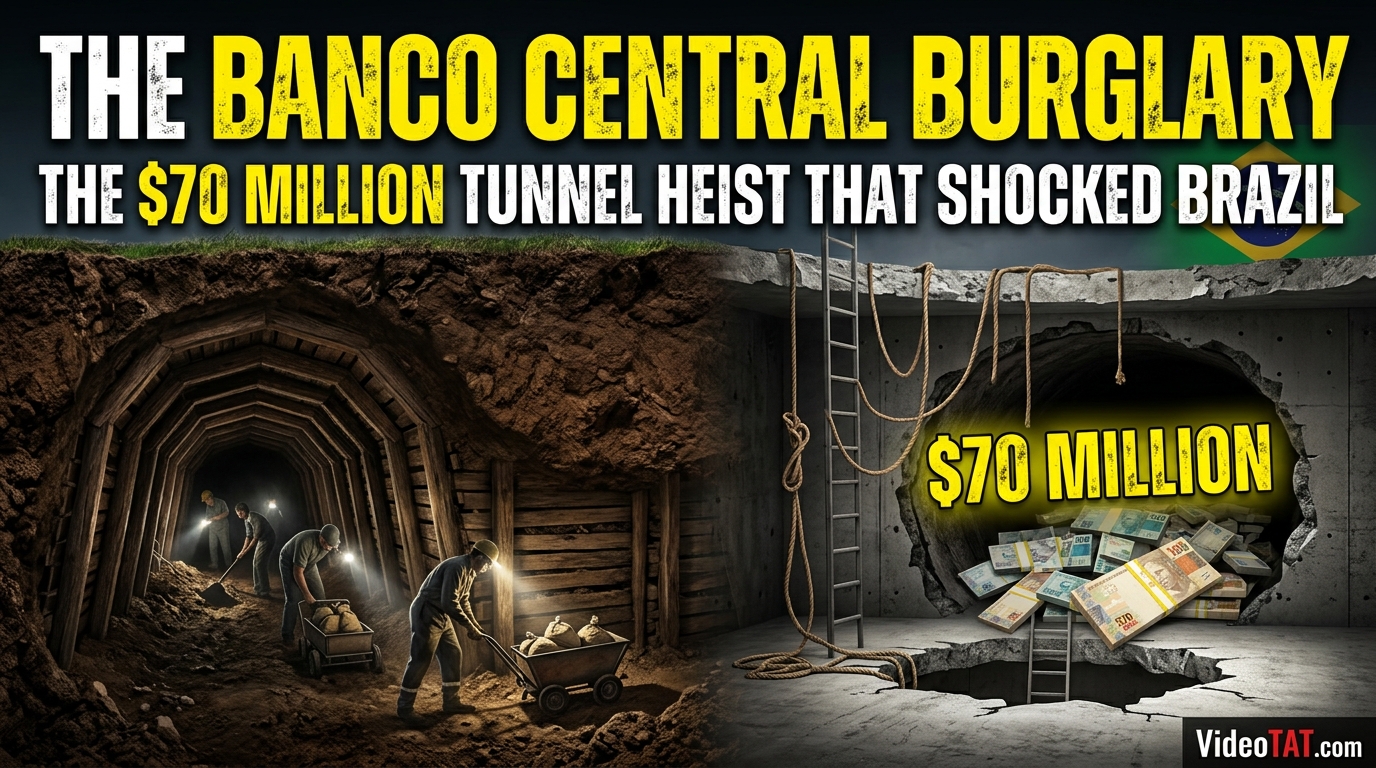
In the heart of northeastern Brazil, beneath a quiet residential street, a team of masterminds executed one of the most complex and daring heists ever conceived. They didn’t blow open the vault doors. They didn’t hold hostages. Instead, they spent months digging a 200‑foot tunnel—complete with lighting, air conditioning, and wooden reinforcement—directly into the vault of the Banco Central do Brasil.
When they emerged, they walked away with $70 million in cash (equivalent to well over $120 million today). The heist was a masterpiece of engineering, patience, and audacity. But to this day, many of the masterminds have never been caught, and the complexity of the operation strongly suggests high-level inside help that was never identified.
Below, we update this incredible true crime story for a modern audience, breaking down how the tunnel was built, who was involved, why the money remains largely missing, and what the heist teaches us about security vulnerabilities in the age of smart surveillance and underground detection technology.
Part 1: The Target – Brazil’s Fortress-Like Central Bank
The Banco Central: A Symbol of National Wealth
The Banco Central do Brasil in Fortaleza was designed to be impregnable. Located in a bustling commercial area, the building featured:
- Reinforced concrete walls over three feet thick
- Multi‑ton vault doors with timed combination locks
- Round‑the‑clock armed guards inside and outside
- Motion sensors, seismic alarms, and video surveillance
- A separate emergency command center monitoring every entry point
Inside its vault sat an enormous amount of Brazilian reais—currency waiting to be distributed to banks across the region. For any would‑be thief, it was the ultimate challenge.
Key Keywords (Context):
- Banco Central burglary
- Fortaleza Brazil bank heist
- $70 million tunnel robbery
- Brazilian central bank vault theft
- Underground heist true crime
Part 2: The Tunnel – An Underground Marvel
How Do You Dig a 200‑Foot Tunnel Undetected?
The crew—believed to be a mix of Brazilian career criminals and international specialists—rented a small house directly across the street from the Banco Central. Under the guise of running a landscaping business, they began what would become a three‑month excavation project.
Engineering Features of the Tunnel:
- Length: Approximately 200 feet (60+ meters)
- Depth: 12 to 13 feet below ground
- Reinforcement: Wooden planks and metal supports to prevent collapse
- Lighting: Electric lamps powered by an elaborate generator system
- Ventilation: A custom air‑conditioning system to keep diggers cool
- Noise suppression: Soil and rubble were bagged and quietly removed via a pulley system
The tunnel started in the backyard of the rented house, snaked under a busy street, and ended directly beneath the Banco Central’s main vault floor. The diggers used laser levels and makeshift surveying tools to ensure millimeter precision.
Why Wasn’t It Detected?
- The crew worked only at night, using carpets and sandbags to muffle sounds.
- They deposited excavated dirt in remote locations outside the city.
- The bank’s seismic sensors were not calibrated for slow, manual digging—only explosive shocks.
By the Numbers (The Heist Itself):
- Time to dig the tunnel: Approximately 3 months
- Final breakthrough: A weekend, when the bank was minimally staffed
- Number of thieves inside the vault: About 5 to 8
- Time inside the vault: Several hours
- Injuries: None
- Arrests at the scene: Zero
Part 3: The Heist – $70 Million Gone by Morning
Breaking Through the Floor
On the night of the robbery, the crew broke through the final inches of concrete flooring inside the vault. They emerged into a room filled with pallet after pallet of cash—bundled and stacked, waiting to be shipped.
What Did They Take?
- Approximately $70 million in Brazilian reais (later revised by authorities)
- All in high‑denomination notes, easy to transport
- The thieves ignored gold, coins, and foreign currencies to save space and weight
Using backpacks and duffel bags, they ferried the money back through the 200‑foot tunnel to the rented house. From there, trucks carried the cash to safe houses across the city.
The Discovery
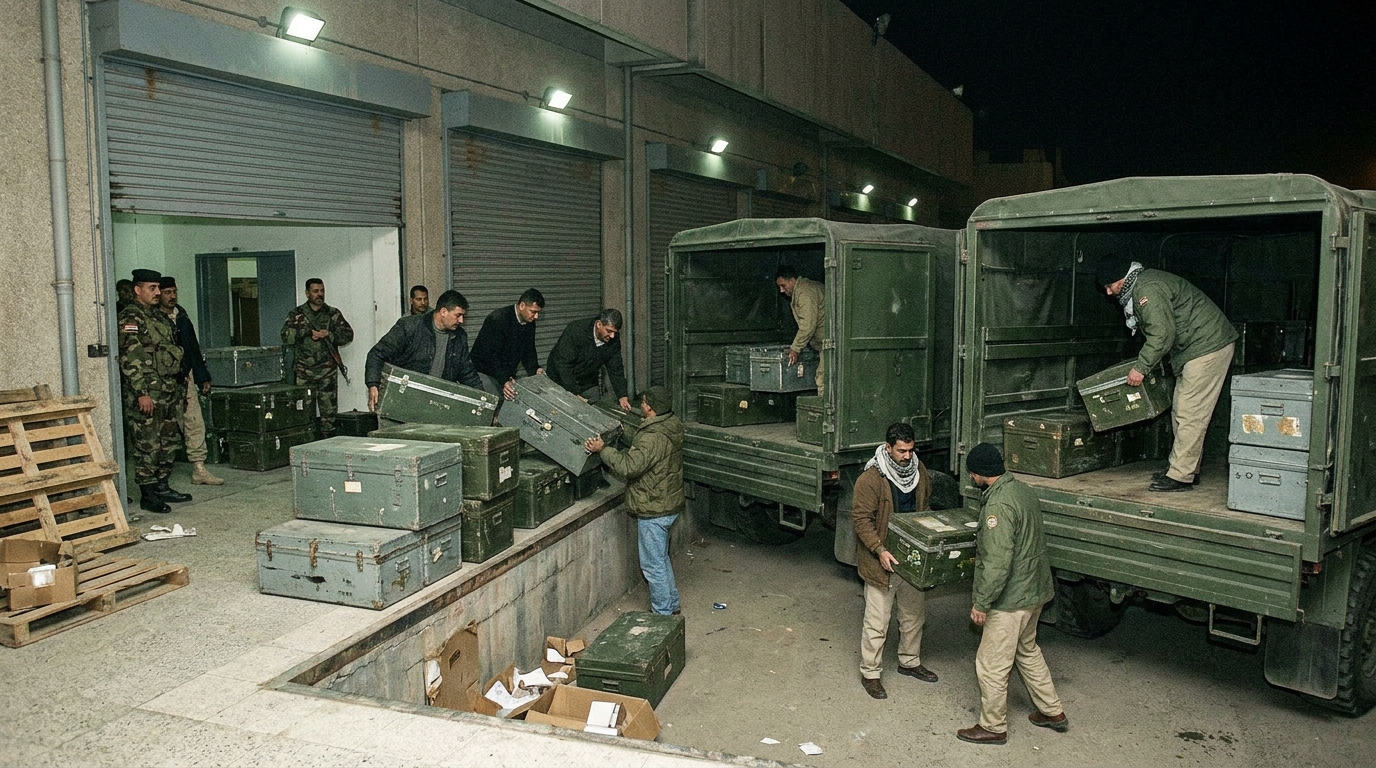
When bank employees arrived for work on Monday morning, they found the vault intact from the outside. But inside, the floor had a perfectly cut hole, and the cash was gone. The tunnel was still lit, its ventilation system still humming.
For the Banco Central, it was an unprecedented humiliation. For the world, it was proof that even the most secure vaults have a weak point—below ground.
Key Keywords (Heist Details):
- Banco Central tunnel robbery
- $70 million Brazilian bank heist
- Underground vault breakthrough
- Fortaleza Brazil heist inside help
Part 4: The Inside Help Question – A Mystery Never Solved
Why Experts Believe Someone Inside Was Involved
The complexity of the operation was so extraordinary that law enforcement agencies worldwide concluded the thieves had high‑level inside assistance. Here’s why:
| Suspicious Element | Why It Suggests Inside Help |
|---|---|
| Vault layout knowledge | The tunnel ended exactly where the most cash was stored. |
| Security camera blind spots | No footage ever showed the thieves entering or leaving the vault area. |
| Alarm systems not triggered | Multiple sensors failed to activate during the final breach. |
| Perfect timing | The heist occurred over a weekend when the vault was full but guard patrols were lightest. |
| Escape route coordination | The crew vanished despite roadblocks and helicopter searches. |
Potential Insider Roles:
- A security guard who shared patrol schedules
- A bank manager who knew the vault’s floor plan
- A maintenance worker who disabled certain sensors
- A law enforcement contact who tipped off the crew about investigations
Despite dozens of arrests and interrogations, no insider was ever publicly identified or convicted. This missing link has fueled decades of speculation in true crime forums, documentaries, and podcasts.
Part 5: The Aftermath – Recovered Money, Vanished Millions
How Much Was Recovered?
Brazilian authorities launched the largest manhunt in the country’s history. Over time, they arrested several suspects and recovered roughly $12 million to $15 million—less than 25% of the stolen amount.
Where Did the Rest Go?
- Laundered through shell companies – Much like modern crypto tumblers, the cash was funneled through fake businesses.
- Buried or hidden – Some suspects allegedly buried money in remote rural properties.
- Smuggled abroad – Cash was moved to Paraguay, Uruguay, and Europe.
- Spent or lost – The lifestyles of the arrested suspects showed only modest spending, suggesting the bulk remained hidden.
The Masterminds Who Got Away
The alleged leader of the operation—known only by a nickname—was never captured. Several key engineers and financiers also escaped justice. To this day, Interpol and Brazilian federal police still consider the case open.
For True Crime Enthusiasts:
The Banco Central burglary is a rabbit hole of unanswered questions:
- Who designed the ventilation system?
- How did they finance a three‑month dig with no one talking?
- Are the missing millions still buried somewhere in Brazil?
Part 6: Why the Banco Central Burglary Still Fascinates – Updated for Today
Lessons for Modern Security Systems
The heist exposed critical vulnerabilities that modern banks and vaults have since addressed:
- Underground seismic monitoring – Today, fiber‑optic cables and ground‑penetrating radar can detect slow, manual digging.
- Randomized patrol schedules – Guards no longer follow predictable weekend routines.
- Vault floor sensors – Many modern vaults now have pressure plates and vibration detectors beneath the concrete.
- AI‑powered surveillance – Cameras can flag unusual activity (e.g., a house with constant nighttime dirt removal) long before a tunnel is finished.
Pop Culture & Digital Revival
The Banco Central burglary has reached a new generation through:
- Netflix and HBO documentaries (The Great Heist, Bank Robberies)
- YouTube deep dives (channels like Real Stories and Dark Docs)
- Podcasts (Criminal, Heist Podcast, Swindled)
- TikTok explainers – “The $70 million tunnel no one saw coming”
- Reddit threads (r/UnresolvedMysteries, r/TrueCrime)
Comparison to Other Major Tunnel Heists
| Heist | Amount (Today) | Tunnel Length | Known For |
|---|---|---|---|
| Banco Central Brazil | $120M+ | 200 feet | Highest recovery failure, suspected inside help |
| Hatton Garden (UK) | $20M+ | No tunnel | Elderly crew, jewelry vault |
| Santander (Argentina) | $20M+ | 300+ feet | Rented bank basement, unfinished |
| Yes Bank (India) | $6M+ | Short tunnel | Poor ventilation, several arrests |
Part 7: What a Current‑Generation Audience Should Take Away
Why the Missing $50+ Million May Never Be Found
Unlike digital currency, physical cash leaves no blockchain trail. The Brazilian reais stolen from the Banco Central were not serial‑tracked in real time. Once laundered or moved across borders, they became virtually untraceable.
Three Key Lessons:
- Engineering beats brute force. The thieves didn’t need guns or explosives—they needed patience and a shovel.
- Inside help changes everything. Without someone on the inside, the tunnel might have missed the vault by ten feet.
- Some criminals truly vanish. Despite modern forensic science, facial recognition, and international warrants, the masterminds of the Banco Central heist remain ghosts.
Keywords for Modern SEO:
- Biggest tunnel heist in history
- Banco Central burglary unsolved
- Brazilian bank robbery $70 million
- Underground vault theft true crime
- Inside help bank heist mystery
- Fortaleza Brazil central bank robbery
Conclusion: The Heist That Rewrote Underground Security
The Banco Central burglary is more than a story of stolen money—it’s a testament to human ingenuity, criminal patience, and the enduring power of a well‑kept secret. A 200‑foot tunnel, dug by hand under a bustling city, led to one of the largest unrecovered cash thefts in history. The money vanished. The inside informant was never named. And the ringleaders? They walked away.
For today’s true crime fans, security professionals, and history buffs, the case remains a haunting reminder: no vault is safe from below, and no amount of concrete can stop someone who has enough time, enough help, and enough silence.
Epilogue: Could It Happen Again?
With modern ground‑penetrating radar, seismic arrays, and AI‑driven anomaly detection, a tunnel of this length would be far harder to execute today without detection. However, social engineering and insider recruitment remain just as potent as ever. The Banco Central heist didn’t fail because of the tunnel. It succeeded because the thieves understood something banks still struggle with: the greatest vulnerability is often the person who holds the keys—or knows where the floor is weakest.
https://www.youtube.com/@videotat-documentary