Embedded Finance 2.0: The Rise of Invisible Banking Within E-Commerce and B2B SaaS
In the modern digital economy, the line between using a platform and accessing financial services is fading fast. Welcome to Embedded Finance 2.0—an evolution where banking, insurance, lending, and payment solutions are no longer separate destinations but seamless components of everyday software.
This new era moves beyond simple payment processing. Today, embedded insurance, embedded lending, and Buy Now, Pay Later (BNPL) are being integrated directly into e-commerce checkouts and B2B SaaS platforms. For the current generation of consumers and business owners—who demand speed, flexibility, and hyper-personalization—this integration is not a luxury; it is the baseline expectation.
Below, we explore how Embedded Finance 2.0 is reshaping two major sectors: direct-to-consumer e-commerce and the rapidly growing world of B2B software-as-a-service.
Part 1: Embedded Finance in E-Commerce
For online retailers, the checkout page is the final frontier. Embedded Finance 2.0 transforms that page from a simple transaction point into a dynamic financial ecosystem.
1.1 The New Standard: Buy Now, Pay Later (BNPL)
The most visible driver of Embedded Finance 2.0 is BNPL. What began as an alternative to credit cards has evolved into a sophisticated, embedded point-of-sale lending solution.
- How it works: At checkout, a customer selects “Pay later in 4 installments” without leaving the merchant’s site. Approval happens in seconds using soft credit checks powered by AI.
- Why it matters for current audiences: Younger shoppers reject traditional debt and hidden fees. BNPL offers transparent, interest-free plans that respect their cash flow.
- Pro tip for merchants: Integrate BNPL directly into product pages, not just the cart. Showing “Or pay $25/month with BNPL” next to the full price increases conversion rates by up to 30%.
1.2 Embedded Insurance: Protecting the Purchase in One Click
Insurance has historically been an afterthought—an opt-out checkbox at the bottom of a receipt. Embedded insurance changes that by offering contextual, single-click coverage exactly when the customer perceives value.
- Examples in action:
- A customer buying a high-end smartphone sees an option to add accidental damage protection for $3.99 at checkout.
- A traveler booking a flight through an online travel agency can activate trip cancellation insurance with a toggle.
- Keyword highlight: This is micro-duration insurance—policies lasting only as long as the product’s journey from warehouse to doorstep or the length of a trip.
- Generation shift: Current audiences prefer on-demand coverage over annual policies. Embedded insurance satisfies this need for flexible, usage-based protection.
1.3 Checkout Financing: Beyond BNPL
While BNPL dominates short-term lending, embedded lending for larger purchases is growing fast. E-commerce platforms now integrate point-of-sale installment loans for items like furniture, electronics, and fitness equipment.
- Example: A customer buying a $2,000 e-bike can apply for a 12-month loan with a single click, using data from their shopping behavior and connected bank account.
- Key benefit for merchants: Offering embedded lending increases average order value (AOV) by enabling customers to afford premium products they otherwise wouldn’t consider.
Part 2: Embedded Finance in B2B SaaS Platforms
While consumer e-commerce gets much of the attention, the B2B sector is where Embedded Finance 2.0 is creating the most significant transformation. B2B SaaS platforms—from CRM tools to inventory management systems—are becoming financial hubs.
2.1 Embedded Lending for Businesses: Solving the Cash Flow Gap
Small and medium-sized businesses (SMBs) face a chronic problem: slow invoice payments and uneven cash flow. Embedded lending inside SaaS platforms offers a real-time solution.
- How it works: A SaaS platform that tracks a restaurant’s daily sales (e.g., a point-of-sale system) can analyze revenue patterns and automatically offer a short-term working capital loan.
- Keyword highlight: This is revenue-based financing embedded directly into the software the business already uses.
- Real-world scenario: A boutique owner logs into their inventory SaaS. The platform detects they are low on stock for their best-selling item. An embedded widget offers a $5,000 loan to restock—approved in 90 seconds, deposited into their account in hours.
2.2 Embedded BNPL for B2B Transactions
Buy Now, Pay Later is not just for sneakers and electronics. B2B buyers are demanding the same flexibility. B2B BNPL allows companies to purchase software subscriptions, office equipment, or raw materials and pay over 30, 60, or 90 days without a corporate credit card.
- Why B2B SaaS companies are adopting it:
- Reduces friction in the sales cycle (no more procurement delays).
- Increases customer lifetime value (LTV) by enabling larger initial purchases.
- Transforms a standard SaaS subscription into a fintech-powered growth engine.
- Keyword highlight: Look for net terms as a service—automated, embedded B2B credit lines that replace manual invoicing.
2.3 Embedded Insurance for SaaS and Digital Assets
Businesses now operate on cloud infrastructure, APIs, and digital supply chains. Embedded insurance for the B2B SaaS world covers cyber liability, data breach response, and API downtime.
- Example: A company using a payment orchestration SaaS can automatically activate cyber liability insurance each time they process over $10,000 in a day. The premium is calculated in real time and added to their SaaS invoice.
- Current generation appeal: Startups and digital-native firms prefer usage-based insurance that scales with their activity, not outdated annual premiums.
Part 3: Key Technologies Powering Embedded Finance 2.0
To make invisible banking possible, several technologies work behind the scenes. For search engines and professionals, these are the high-value keywords driving the industry.
3.1 Open Banking and API-First Infrastructure
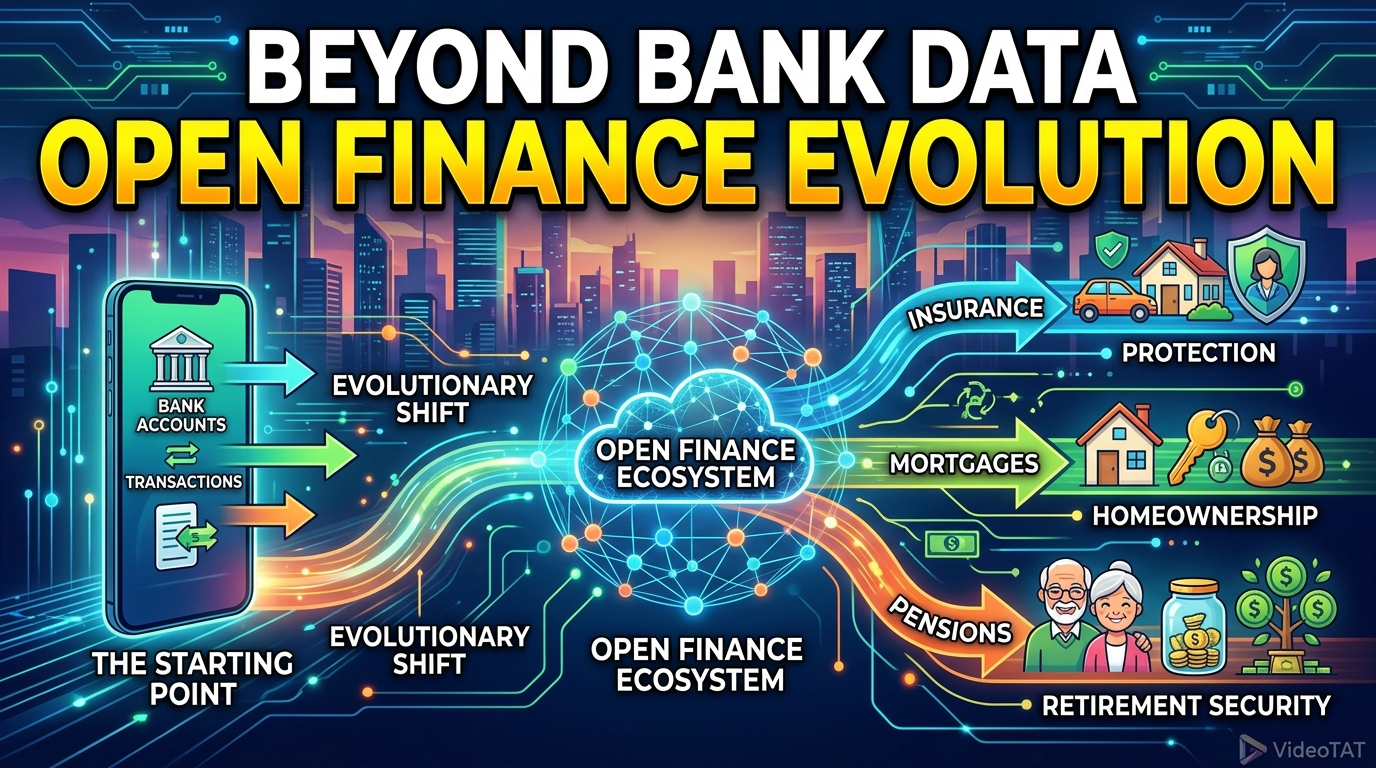
Open banking regulations (where adopted) allow third-party providers to access financial data with user consent. Combined with API-first infrastructure, this enables:
- Real-time income verification for lending decisions.
- Direct account-to-account payments, bypassing card networks.
- Automated underwriting based on live cash flow data.
3.2 AI-Driven Underwriting and Risk Scoring
Traditional credit scores exclude millions of potential customers. AI-driven underwriting uses alternative data—such as e-commerce return rates, SaaS usage patterns, and social commerce activity—to approve more applicants with less risk.
3.3 One-Click Compliance and Embedded KYC
Regulations are not optional. Embedded Know Your Customer (KYC) solutions use document-free identity verification (e.g., scanning a driver’s license with a smartphone camera) that takes under 30 seconds. This is essential for embedded lending and BNPL to work at scale.
Part 4: Why This Matters for the Current Generation
The audience of today—whether Gen Z consumers or millennial business owners—shares distinct characteristics that make Embedded Finance 2.0 not just appealing but inevitable.
4.1 Demand for Frictionless Experiences
No one wants to leave an app to apply for a loan or buy insurance. Embedded finance removes that friction. The financial product becomes a feature of the platform they already trust.
4.2 Rejection of Legacy Institutions
Younger users view traditional banks as slow, opaque, and indifferent. They prefer embedded solutions from tech-native brands like Shopify, Stripe, or even niche e-commerce stores that offer transparent, fair financial tools at the point of need.
4.3 Need for Financial Flexibility Without Debt Traps
BNPL and embedded lending offer flexibility, but responsible implementation is critical. The current generation is wary of hidden fees and predatory terms. Successful Embedded Finance 2.0 platforms emphasize:
- No late fees (or capped, transparent penalties).
- Clear repayment schedules.
- Opt-out options at every stage.
Part 5: The Future of Embedded Finance 2.0
As we look ahead, several emerging trends will define the next phase of embedded insurance, lending, and BNPL.
5.1 Vertical-Specific Embedded Finance
One-size-fits-all is dying. Expect vertical SaaS solutions with deeply customized financial products:
- For healthcare SaaS: Embedded patient payment plans and malpractice insurance for practitioners.
- For logistics SaaS: Embedded cargo insurance and fuel advance loans for trucking companies.
- For education platforms: Embedded income-share agreements (ISAs) and course completion insurance.
5.2 Embedded Finance as a Revenue Stream for Platforms
For B2B SaaS and e-commerce platforms, offering financial products is not just a feature—it is a high-margin revenue stream. Platforms earn interchange fees, origination fees, and premium shares without taking on direct balance sheet risk (by partnering with regulated fintechs and banks).
5.3 Conversational and Voice-Activated Finance
With the rise of AI assistants, the next iteration of embedded finance will be conversational. A user might say to their e-commerce app, “Check out with BNPL and add screen insurance,” and the platform will execute all embedded services via natural language processing.
Conclusion: The Embedded Economy Is Here
Embedded Finance 2.0 is not a futuristic concept. It is live today in millions of transactions—from a teenager using BNPL for sneakers to a startup founder accessing embedded working capital inside their accounting SaaS.
For businesses, the message is clear: if your platform does not offer embedded insurance, lending, or flexible payment options, you are losing customers to competitors that do. For consumers and businesses alike, the future is invisible, instant, and integrated.
keywords : Embedded Finance 2.0, embedded insurance, embedded lending, Buy Now Pay Later (BNPL), B2B SaaS platforms, point-of-sale lending, revenue-based financing, net terms as a service, usage-based insurance, open banking, AI-driven underwriting, vertical SaaS, invisible banking.