Yamashita Gold: The Legend of Hidden War Treasure That Still Haunts the Digital Age
For decades, a single name has ignited the imaginations of treasure hunters, historians, lawyers, and conspiracy theorists across the globe: Yamashita Gold. Named after the legendary Japanese general Tomoyuki Yamashita, this rumored war loot is said to consist of billions of dollars in gold bullion, priceless artifacts, and stolen wealth, hidden in a network of underground tunnels and caves across the Philippines during the final days of World War II.
Today, in an era of satellite imaging, ground-penetrating radar, deep-sea drones, and digital mapping, the legend of Yamashita’s treasure has not faded. Instead, it has evolved into a global obsession—sparking legal battles, failed recovery missions, and even international diplomatic disputes. But is the treasure real? And why, with all our modern technology, has it never been found?
Section 1: The Origins of a Legend – How Yamashita’s Gold Was Born
The Fall of the Japanese Empire
As the Pacific War reached its brutal climax, Japanese forces found themselves retreating on multiple fronts. According to surviving accounts and declassified intelligence documents, high-ranking officers in the Imperial Japanese Army organized a massive looting operation across Southeast Asia. The goal: to seize gold, jewelry, religious artifacts, and currency from banks, temples, and wealthy families in occupied nations.
General Yamashita’s Role
General Tomoyuki Yamashita, known as the “Tiger of Malaya,” was appointed commander of Japanese forces in the Philippines. While historians debate his direct involvement in the treasure concealment, the legend holds that he oversaw the burial of a massive portion of war loot in over 170 locations across the archipelago, including the infamous tunnels of Luzon.
Keyword Highlight: War Loot | Gold Bullion | Underground Tunnels | Philippine Caves
Section 2: The Concealment – Engineering a Mystery
Forced Labor and Secrecy
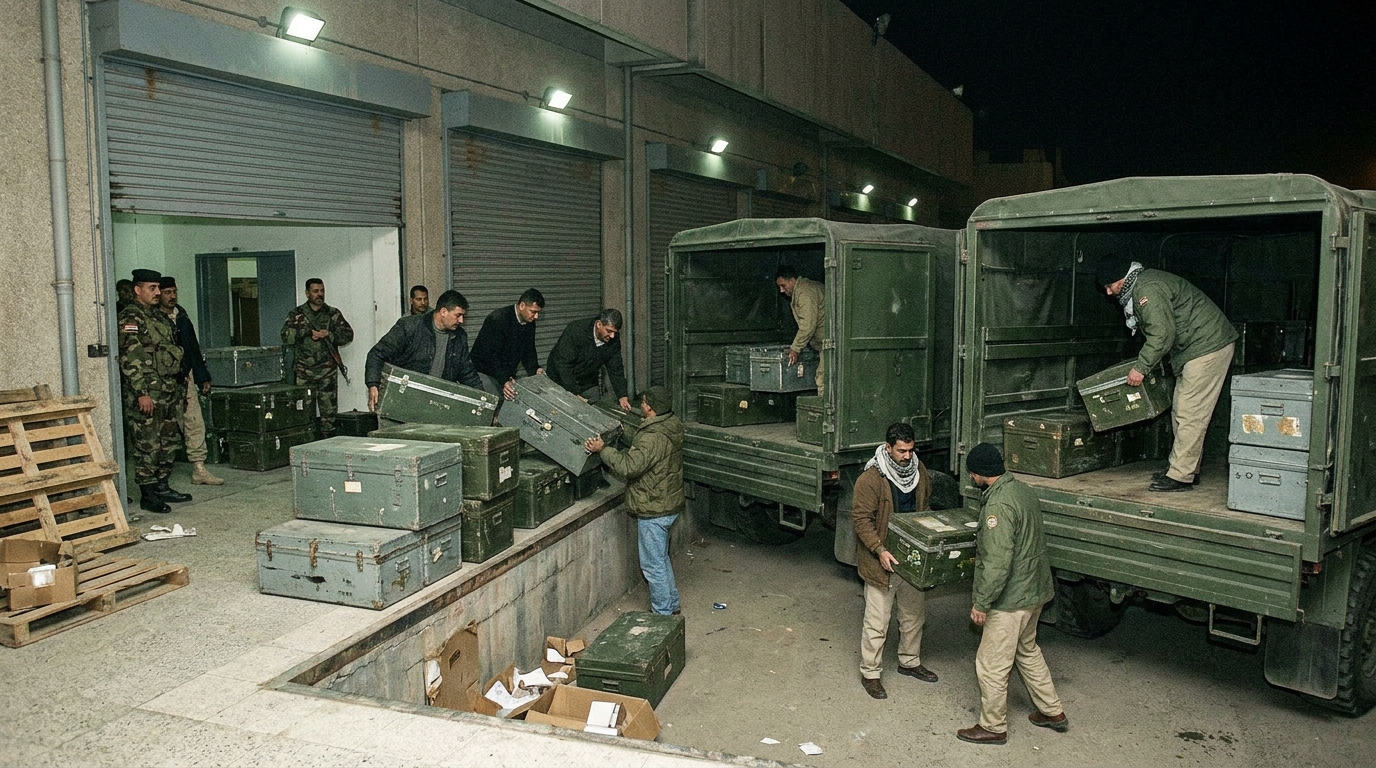
According to the legend, thousands of prisoners of war (POWs), local laborers, and even Japanese soldiers were used to dig, transport, and seal the treasure chambers. Once the work was complete, the entrances were dynamited, and many of the workers were reportedly executed to protect the secret.
The Tunnel Networks
The caves and tunnels of the Philippines—particularly on the island of Luzon, near Baguio and Manila—became the final resting place for gold bars, diamond-encrusted religious statues, boxes of currency, and plundered artifacts from across Asia. Some accounts claim the total value of Yamashita Gold could exceed $200 billion in today’s market.
Modern Relevance
Today, LiDAR scanning and 3D subsurface imaging are used by private expeditions to map these underground networks without digging blindly. Several expeditions have identified anomalies consistent with man-made chambers.
Keyword Highlight: Treasure Chambers | LiDAR Scanning | Subsurface Imaging
Section 3: The Legal Battles – From the Philippines to the World Court
A Heir’s Quest for Justice
One of the most dramatic chapters in the Yamashita Gold saga involves a Filipino treasure hunter named Rogelio Roxas. In the 1970s, Roxas claimed to have discovered a sealed tunnel containing a solid gold Buddha statue weighing nearly a ton, along with thousands of gold bars. He alleged that the treasure was later stolen from him by agents of the Philippine government, including then-President Ferdinand Marcos.
The Landmark Lawsuit
Roxas sued Marcos in a Hawaiian court, leading to one of the most extraordinary legal battles in treasure history. In 1996, a jury ruled in Roxas’s favor, awarding him over $13 billion in damages. The case was later settled for a much smaller but still significant amount, and the treasure—if it ever existed—remained largely unrecovered.
Modern Legal Implications
Today, asset recovery lawyers and international arbitration specialists continue to debate the case. Descendants of claimants have attempted to reopen the matter using digital evidence, forensic document analysis, and declassified CIA files that reference “Japanese buried treasure.”
Keyword Highlight: Legal Battles | Asset Recovery | International Arbitration | Declassified Files
Section 4: Failed Recovery Missions – Why Modern Tech Hasn’t Solved the Mystery
High-Profile Expeditions
Over the past several decades, hundreds of recovery missions have been launched by private companies, government agencies, and amateur treasure hunters. Many have spent millions of dollars drilling, digging, and blasting through rock. Almost all have returned empty-handed.
Technical Challenges
Even with modern tools, recovery is fraught with difficulty:
- Collapsed tunnels make excavation dangerous.
- Poisonous gases trapped in sealed chambers pose lethal risks.
- Legal ownership of any found treasure is hotly contested.
- Local governments require permits, royalties, and oversight.
The Role of Misinformation
Some researchers now believe that early treasure maps were deliberate disinformation planted by Japanese military intelligence to mislead postwar recovery efforts. Others argue that much of the gold was secretly recovered in the 1950s by intelligence agencies or Marcos himself.
Keyword Highlight: Recovery Missions | Treasure Hunting Tech | Misinformation | Permit Issues
Section 5: The Current Generation’s Obsession – From YouTube to Crypto
Digital Treasure Hunting
Today’s treasure hunters are not digging with shovels—they are digging through data. Online communities analyze satellite imagery, declassified military maps, and crowdsourced leads. YouTube channels and podcasts dedicated to Yamashita Gold attract millions of views, blending history with adventure and mystery.
The NFT and Crypto Connection
A new twist has emerged: some startups have tokenized speculative claims on portions of Yamashita’s treasure as NFTs (non-fungible tokens) or crypto-backed recovery bonds. While highly controversial and often criticized as scams, these digital assets appeal to a generation raised on meme stocks, cryptocurrency volatility, and digital ownership.
Gamification of the Legend
Mobile apps and indie video games now feature Yamashita Gold-inspired storylines, allowing players to “hunt” for treasure in virtual Philippine jungles. This gamification keeps the legend alive for younger audiences who may never pick up a metal detector but will eagerly explore digital maps.
Keyword Highlight: Satellite Imagery | NFT Treasure Tokens | Crypto Recovery | Gamified History
Section 6: Conspiracy Theories and Government Secrets
The Marcos Allegations
Perhaps the most persistent modern theory is that former Philippine president Ferdinand Marcos and his allies recovered the bulk of Yamashita Gold in the 1970s and used it to fund political campaigns, purchase real estate, and build hidden fortunes. To this day, no conclusive evidence has been released.
CIA and FBI Involvement
Declassified documents show that US intelligence agencies took the legend seriously. In the 1950s, CIA and FBI agents reportedly interviewed Japanese veterans, mapped potential sites, and even conducted covert excavations. Some researchers believe the US government secretly recovered portions of the gold and never disclosed it.
The Swiss Bank Connection
Another enduring rumor involves anonymous Swiss bank accounts allegedly funded by gold bars bearing Imperial Japanese markings. While no account holder has ever been identified, the rumor persists in online forums and documentary specials.
Keyword Highlight: Conspiracy Theories | CIA Excavations | Swiss Bank Accounts | Hidden Fortunes
Section 7: Why Yamashita Gold Still Matters Today
Lessons for Modern Investors and Adventurers
The legend offers a cautionary tale for today’s generation. Whether you’re investing in cryptocurrency wallets, digital art, or physical assets, the story of lost treasure reminds us that ownership without access is meaningless. A fortune buried in a cave is as useless as a crypto wallet whose password is lost forever.
Cultural Heritage vs. Personal Gain
Modern ethical debates surround Yamashita Gold. Much of the loot was stolen from families, temples, and nations during wartime. Should any treasure be found, who truly owns it? Repatriation efforts in the art and antiquities world mirror this dilemma—returning stolen cultural heritage has become a global priority.
The Thrill of the Unsolved
In a world of GPS, instant satellite views, and drones, the idea that a massive treasure could remain hidden challenges our faith in technology. Yamashita Gold represents the last great analog mystery—a puzzle that algorithms cannot yet solve.
Keyword Highlight: Cultural Heritage | Repatriation | Digital Ownership | Unsolved Mystery
Section 8: The Future of the Hunt – What Comes Next?
AI and Predictive Modeling
The next breakthrough may come not from a pickaxe but from artificial intelligence. Researchers are training AI models on historical movement patterns of Japanese forces, terrain data, and known concealment tactics to predict the most likely burial sites.
Crowdsourced Funding
Modern expeditions increasingly rely on crowdfunding platforms, where thousands of small donors contribute to a single hunt. In return, they receive digital updates, virtual shares of any potential find, or simply the thrill of participation.
Legal Reform and Amnesties
Some Philippine lawmakers have proposed treasure amnesty laws that would grant legal title to finders who report their discoveries, while returning a percentage of the value to the state. Such reforms could finally motivate finders to come forward rather than hide their finds.
Keyword Highlight: AI Predictive Models | Crowdfunded Expeditions | Treasure Amnesty Laws
Conclusion: More Than a Legend – A Global Phenomenon
The story of Yamashita Gold has transcended its wartime origins to become a modern myth—one shaped by courts, governments, technology, and digital culture. Whether the treasure exists in physical form or only in the collective imagination, its power is undeniable.
For every failed recovery mission, there is a new expedition planning to try again. For every legal defeat, there is an heir filing a new claim. And for every skeptic, a believer is watching a YouTube documentary at 2 a.m., convinced that the next cave, the next map, or the next piece of AI-generated data will unlock history’s greatest payday.
The gold may remain hidden. But the hunt will never die.
Keywords Summary :
Yamashita Gold, war loot, gold bullion, Philippine caves, underground tunnels, treasure chambers, legal battles, asset recovery, failed recovery missions, LiDAR scanning, subsurface imaging, declassified files, conspiracy theories, CIA excavations, Swiss bank accounts, NFTs, crypto recovery, satellite imagery, AI predictive models, crowdfunded expeditions, treasure amnesty laws, cultural heritage, repatriation, digital ownership.